

We’re excited to introduce the 2026 cohort of Brains Fellows!
For those of you who recently joined us or need a refresher: Brains is a research accelerator that helps talented scientists and technologists execute on ambitious research that is beyond the scope of individual academic labs, startups, or large companies.
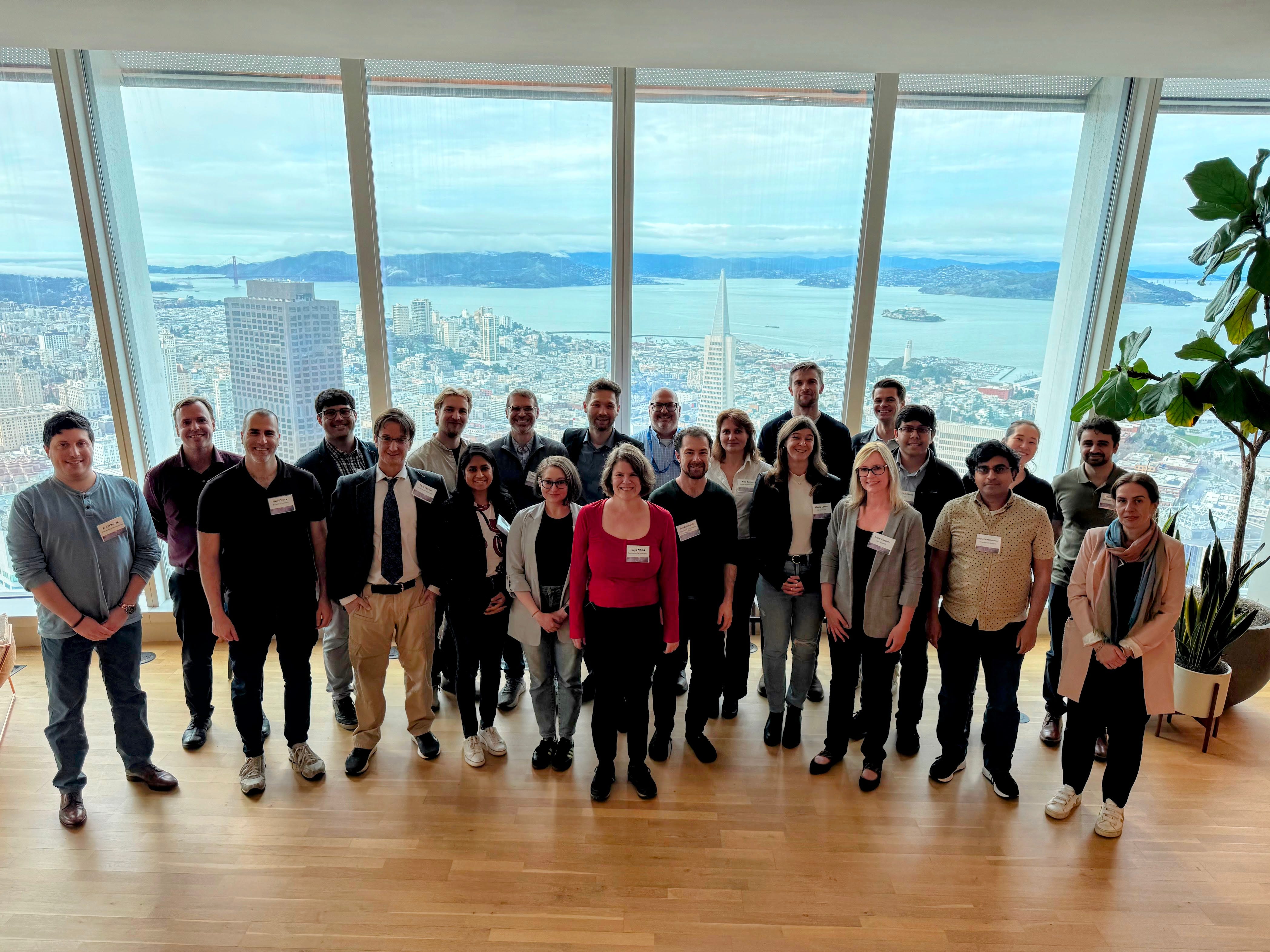
If what they’re working on jumps out at you, please do get in touch with them via the internet (their profiles are linked in their names) or email brains@spec.tech and we’ll route you correctly.
Allegra Cohen
Allegra is building open-source technology for digital memory palaces. Humans have long used physical metaphor to interact with knowledge, from memory palaces to William Gibson's cyberspace. But today we increasingly access knowledge through AI agents, reducing our inclination to explore and increasing our risk of being manipulated. For example, as our digital records become ever more granular, we will quickly reach a point where agents not only remember more about us than we do but can gatekeep and gaslight us about our own thoughts. Correcting this imbalance requires representing knowledge in a medium our brains our built for. Technology to visualize and curate knowledge in the cyberphysical world could enable us to take advantage of AI agents while protecting our own agency and identities.
About Allegra
Allegra likes building technology for knowledge curation. She is currently the program director of Talk to the City, a large-scale qualitative data collection tool housed at the AI Objectives Institute. Previously, she was at DARPA where she managed a portfolio of research about how machines can help humans understand complicated geopolitical systems. Allegra holds a Ph.D. in computational modeling from the University of Florida and a B.S. in Symbolic Systems from Stanford University. She is a big fan of birds.
Andrey Poletayev
Andrey is unlocking a new type of manufacturing data by tracking the paths of atoms as they assemble into materials during syntheses, especially if they do so rapidly. To do so, Andrey builds upon methods pioneered by biologists and his work at SLAC National Lab: the x-ray camera fast enough to catch how a material comes together is much like those that capture the dynamics of proteins. Accessing the trajectories of phase transformations helps us to predict how syntheses proceed and design new ones, avoiding expensive trial and error in scale-up. This lets us make new materials for batteries, sensors, membranes, or pharmaceuticals, and improve existing ones.
About Andrey
Andrey is a battery materials chemist and x-ray scientist who has adopted simulation over the pandemic. He is an expert on how atoms move in batteries, with leading publications in Nature and Nature Materials, and now studies how we make materials: syntheses and phase transformations. Through his human-centered design work, he has started and supported social enterprises, including creating the business model for one delivering nutrition to over 10 million people daily in East Africa. Andrey is a Schmidt AI in Science Fellow at Imperial College having worked at Oxford and SLAC after a Ph.D. at Stanford.
Anubhav Sinha
Anubhav invents and deploys high-resolution imaging to systematically map how the peripheral nervous system (PNS) shapes disease processes across the body. By adapting technologies used for brain mapping in mice to the periphery, we will create “wiring diagrams” of the PNS that chart how neurons thread through the body with both cellular and anatomical precision to map how the structure and composition of the PNS changes in disease. Building such an atlas will unlock the ability to precisely dissect how the PNS impacts disease and will enable the discovery of new therapeutic targets to treat diverse conditions, including cancer, inflammatory disease, and aging.
About Anubhav
Anubhav is a neuroengineer and synthetic biologist who builds technologies to study the interplay between neurons and their spatial context. He is currently a postdoc at MIT where he is extending these technologies to the peripheral nervous system. During his PhD in the Harvard-MIT Program in Health Sciences and Technology, he co-led the development of targeted expansion sequencing, a technology for spatially precise measurements of gene expression in biological specimens, and deployed the platform to study the mouse brain, patient tumor biopsies, and mouse embryonic development.
Arila Atanassova-Barnes
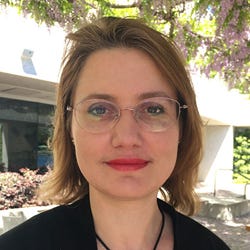
Arila builds open turn-key solutions for renewable energy to reduce cost, establish local operating skills and enable peer-to-peer energy trading. We are stewards of programmable microgrids based on open standards to preserve energy choices without compromising safety. We host a network of autonomous microgrids to share data, energy, and communications management. We help communities to operate their energy assets and learn how to innovate, maintain and evolve their investment. Growing energy demands for AI alone de-prioretizes neighborhoods not only in the Global South. Energy IoT Open Source enables a model to share open microgrid technology and assure energy independence, resilience, and access for all.
About Arila
Arila is an experienced technologist and has lead engineering teams from startups to fortune 500 companies. My tenure of leadership roles in the energy industry has exposed me to various technology products: AI at the Grid Edge, Battery storage and EV Infrastructure, Asset Performance Management, Grid Analytics and Power Digital Twins and open standards like OCPP, OpenADR, and SunSpec to name a few. I founded Energy IoT Open Source (EIOT), a 501 (c)(3) non-profit with the mission to democratize microgrids for communities worldwide and have built strong partnerships with LF Energy, SunSpec and enAccess Foundation.
Ben Adler
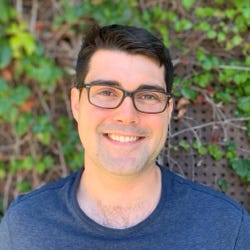
Ben is designing next-generation antimicrobials by harnessing bacteriophages, viruses that infect bacteria. Unlike small molecule antibiotics, which depend on discovering new chemical classes, phage-based therapies are not fundamentally limited by available diversity. Instead, we are bottlenecked by our inability to systematically measure, interpret and engineer that diversity at scale. This program builds a phage design engine that integrates high-throughput phage screens, genome editing and comparative genomics to generate large-scale datasets that train AI models to predict optimized genome edits. By closing the loop between measurement, modeling and engineering, this platform enables precisely engineered antibacterial interventions that remain effective as bacterial resistance evolves.
About Ben
Ben discovers biological function encoded in the ancient evolutionary arms race between bacteria and their viruses, bacteriophages. As an integrative biologist, he bridges high-throughput screening, computational genomics and genetic design to reveal how evolution innovates, from mechanisms of anti-bacteriophage immunity to targeted elimination of human pathogens. He translates these discoveries into widely-adopted experimental platforms, including CRISPR-based systems for efficient phage genome editing. Benjamin received his Ph.D in Bioengineering at UC Berkeley & UCSF with Dr. Adam Arkin and his postdoc with gene-editing pioneer Dr. Jennifer Doudna.
Bharath Ramsundar
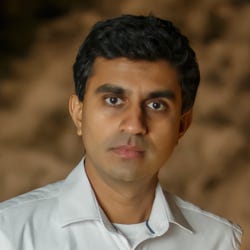
Bharath is working to connect AI more directly with the physical world. Today’s AI systems lack common sense due to a lack of understanding of basic physics. The scientific community has spent the last 75 years building sophisticated physical simulations for science and engineering. Unfortunately, these simulations can run for weeks or months on supercomputers, making them infeasible to integrate with modern AI. Bharath aims to transform simulations by leveraging machine learning and AI tools to increase their speed and accuracy. These accelerated simulations will directly integrate with AI training to create next generation AI systems that understand physical reality and avoid nonsensical hallucinations, thereby unlocking transformational applications in robotics and manufacturing.
About Bharath
Bharath is the founder and CEO of Deep Forest Sciences, which is building an AI-powered suite for drug and materials design and discovery. Bharath received a BA and BS from UC Berkeley in EECS and Mathematics and was valedictorian of his graduating class in mathematics. He did his PhD in computer science at Stanford University where he studied the application of deep-learning to problems in drug-discovery. At Stanford, Bharath created the DeepChem open-source project to grow the deep drug discovery open source community. Bharath's graduate education was supported by a Hertz Fellowship, the most selective graduate fellowship in the sciences.
Chris Wilmer
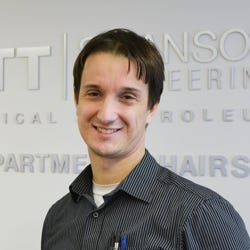
Chris is building a universal electronic nose (e-nose) so machines can truly smell. Today’s e-noses rely on only a few dozen sensing materials, limiting them to narrow tasks like detecting natural gas or food spoilage. As a result, they struggle with complex chemical mixtures and cannot serve as general-purpose smell systems. Our approach dramatically increases sensing resolution by integrating hundreds of chemically distinct materials onto a single chip — an order-of-magnitude leap beyond conventional designs. Our first milestone is demonstrating that performance continues improving at this scale, establishing the foundation for mass-manufacturable, general-purpose machine olfaction.
About Chris
Chris is a professor at the University of Pittsburgh specializing in the interactions between gases and surfaces. In particular his lab designs metal-organic frameworks (MOFs), which are like sponges for gases. For example, MOFs can be used to soak up methane for energy storage or to remove carbon dioxide from the atmosphere. Now Chris is using MOFs to create artificial olfactory receptors to make noses for robots. In addition to 60+ scientific publications, he has co-founded two companies (Numat & Aeronics) and was named to the Forbes 30-Under-30 in Energy. He is also a Blender enthusiast.
James Black
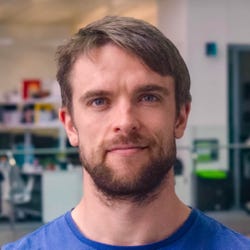
James is building Linnaeus, an AI-native screening platform that screens for hazardous DNA sequences using a suite of biological tools, aiming to mitigate the challenges to current biosecurity screening posed by advanced AI. Unlike other approaches, the Linnaeus agent dynamically adapts to detect engineered, novel, and AI-generated threats, providing risk scores and detailed reports based on biomolecular properties. The platform can analyse sequences & structures across DNA/protein synthesis, cloud labs, and pathogen detection. This will allow scaling of defensive capabilities with advances in AIxBio while reducing reliance on costly human review.
About James
James is an AI-biosecurity researcher studying risks from frontier AI systems applied to biology. He trained as a physician and computational biologist, and combines deep biological expertise with hands-on AI safety research. He has designed biosecurity evaluations for frontier AI developers, including work cited in the Claude 4 model card, has led work demonstrating that safeguards on genomic language models can be circumvented, and is aiming to innovate at the frontier of biosecurity screening technology.
Jiwoon Park

Jiwoon is building SAHA (Spatial Atlas of Human Anatomy), a global multi-institutional initiative to create the first comprehensive spatial maps of human tissue, charting how billions of cells are physically arranged across major organs. Her program uses AI to detect patterns in tissue architecture that predict disease outcomes, such as where a cancer will metastasize or which patients will respond to immunotherapy. By turning these atlases into clinical tools, SAHA will give physicians a fundamentally new layer of information to make better treatment decisions, one that current genetic tests and imaging cannot provide.
About Jiwoon
Jiwoon is a researcher at Harvard Medical School and Weill Cornell Medicine translating spatial omics into clinical impact through AI. She leads the Spatial Atlas of Human Anatomy (SAHA) consortium, creating the world’s largest spatial reference of human tissues by mapping billions of cells from large clinical cohorts. Her research integrates experimental and computational approaches to decode how tissues are organized and how immune systems respond to disease, with applications in cancer metastasis and precision medicine. Dr. Park holds a Ph.D. from Cornell University and contributes to major spatial biology initiatives including the Human Cell Atlas, GESTALT, and STOC.
Justin Burrell
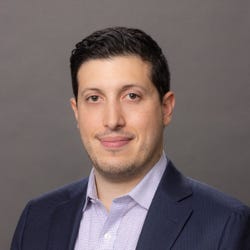
Justin is building a scalable engineered tissue platform to restore function after neurological injury or disease. Our focus is transforming neural repair from bespoke laboratory procedures into reproducible biomedical infrastructure by automating manufacturing, implementing non-destructive imaging and electrophysiologic quality assurance, and embedding functional sensing to quantify circuit performance in real time. The underlying biology has been demonstrated in clinically relevant models. The inflection point now is industrialization. Achieving standardized, performance-validated tissue at scale requires coordinated investment in automation, quality systems, and translational infrastructure beyond traditional academic capabilities. By defining and enforcing functional benchmarks, this platform enables more predictive testing systems, accelerates therapeutic development, and establishes the foundation for restorative biohybrid neural interfaces that rebuild durable communication between the brain and body rather than compensate for loss.
About Justin
Justin is a translational neuroengineer focused on restoring damaged neural circuits through engineered neural tissue and advancing living neural technologies toward clinical deployment. Over the past decade, he has engineered and transplanted organized neural tissues at clinically relevant lengths capable of transmitting signals across lesion gaps and electrically integrating with target tissues, improving functional recovery in rodent and porcine models of neurological injury and disease. His work emphasizes reconstruction of conduction pathways, restoration of long-distance signal transmission, and development of quantitative functional benchmarks for circuit performance. He is a Research Associate in Neurosurgery at the University of Pennsylvania and holds an MS in Neuroscience and a PhD in Bioengineering.
Leo McElroy
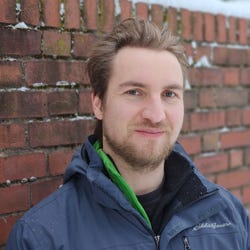
Leo is building the core software that engineering design tools are built on: constraint solvers, geometry kernels, and the connections between design and physical simulation. Today this technology is proprietary and fragmented. Designers make shapes in one tool and test whether they work in a completely separate one. If design and simulation share a foundation, software can verify that a part works as it’s designed, and that loop can be automated. This opens the door to designs that are optimized by physics and guided by the designer’s intent, and AI that can generate engineering models a human can edit and a computer can verify.
About Leo
Leo is an independent researcher developing technology for designing objects on computers. He has built novel constraint solving algorithms and consults with companies developing CAD tools. He has created dozens of custom design programs for objects ranging from circuits to embroidery. At Hack Club he designed and built open source hardware and software for making games, music, and art used by tens of thousands of teenagers worldwide. He has published research on digital fabrication and traveled the world working with inventors and craftspeople as a Watson Fellow.
Paul Litvak
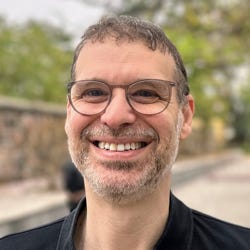
Paul is building an AI system that can weigh the balance of scientific evidence the way a careful, critical scientist would: flagging numbers that don’t add up, assessing methodology across entire bodies of research. People make health decisions based on published studies. Billions in philanthropic dollars go to whichever interventions the evidence supports. Peer review is overextended, the volume of papers keeps growing, and there’s no scalable way to know which findings hold up. Getting this right means the people and organizations making these high-stakes decisions can actually know what the evidence supports and make better ones because of it.
About Paul
Paul is the founder and Executive Director of the Robyn Dawes Institute. He has a PhD in Behavioral Decision Research from Carnegie Mellon and worked as a data scientist and product manager leading machine learning teams at Meta, Google, and Airbnb. He co-founded and led product at Rhythmic Health, a venture-backed biosensing startup. He’s currently a Visiting Scholar at UC Berkeley, creating tools for the research community to assess evidence quality.
Smrithi Sunil
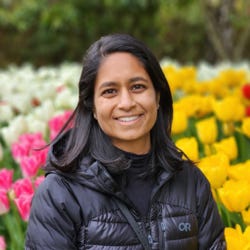
Smrithi is building tools to study biomolecular structure and function at atomic resolution inside intact cells and tissues. Today’s microscopy tools capture atomic structure only in static states or function only in isolated pathways, missing how the complex molecular machinery organizes and interacts in its native cellular context. Smrithi’s program will integrate high-resolution microscopy techniques to enable comprehensive mapping of molecular structure and function inside intact cells and tissues. The result is a rich database of cellular structure and dynamics that will help researchers understand disease mechanisms, guide drug target discovery, and train predictive models of how cells actually work.
About Smrithi
Smrithi is a research scientist developing imaging techniques to study brain function. She is currently at the University of Wisconsin-Madison, advancing electron microscopy methods to visualize disease-related proteins inside intact cells and tissues. She received her PhD in Biomedical Engineering from Boston University, where she developed optical techniques to study blood flow and neural activity during stroke recovery. She was then a scientist at the Allen Institute for Neural Dynamics, developing microscopy techniques for multiplexed imaging of neural signals. She is also interested in metascience and the process of discovery, and writes about these topics on her Substack, Engineering Discovery.
Thomas Teisberg
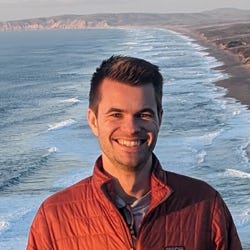
Thomas is building a robotic observatory for Antarctica and Greenland to reduce uncertainty in future sea level rise and monitor for early warnings of catastrophic tipping points. Earth’s ice sheets are data poor and logistically complicated to access, making it expensive to scale up data collection with humans. Robotic platforms can cut the costs of data collection at scale, but achieving this scale is beyond the reach of convention research entities. Thomas plans to take new observational approaches from prototype to production and operate them at scale. The first objective is a stratospheric radar sounder, capable of delivering twice the peak annual data volume collected previously at less than a fifth the cost.
About Thomas
Thomas is an electrical engineer who uses new sensors and robotics to better understand how the Earth works. He co-developed an open-source ice-penetrating radar platform and used it to deploy a UAV-borne radar sounder in Greenland, Iceland, and Svalbard. He has also worked on making observational data freely and reproducibly available, developing tools to analyze and share hundreds of terabytes of field data ranging from the first airborne surveys of Antarctica to data collected this year. Thomas has a Ph.D. in electrical engineering from a geophysics lab at Stanford University.
Victoria Chernow
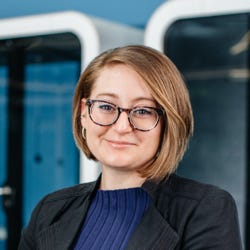
Victoria aims to transform mineral processing by developing technologies for “rock fractionation”: processes to extract and refine every compound in ore and tailings economically, slashing energy consumption and waste. Conventional mining is materially and energy inefficient, largely focused on single products that generate tens to hundreds of tons of waste per ton of metal. Left behind are valuable co-products -- from cementitious materials to battery metals to minerals for permanent CO₂ storage. She is building an integrated toolkit to unlock this full spectrum of end products, uniting electrochemistry, advanced separations, plasma processing and more. Success means cutting energy and emissions, turning waste into assets, and securing mineral supplies without excess extraction.
About Victoria
Victoria is a materials scientist who identifies the cost drivers and bottlenecks that keep high-impact climate technologies from being deployed at scale. She is a Climate & Energy Scientist at Science for America, a nonprofit solutions incubator, where she explores ways to turn captured carbon dioxide into valuable, scalable products. Previously, she was an early-stage deep tech investor and a Fellow at the U.S. Department of Energy’s Advanced Research Projects Agency-Energy (ARPA-E), shaping programs in advanced building materials and next-generation nuclear energy. She holds an M.S. and Ph.D. in Materials Science from Caltech.
Will Plishker
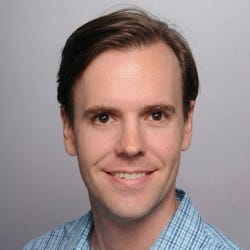
Will is developing a program that gives surgeons vision and skills beyond their innate human ability. Surgery is the gold standard for many treatments but has the potential for serious complications. Minimally invasive surgery reduces risk and recovery time at the cost of direct sight and touch for surgeons. Autonomous surgical robots could help, but are large, expensive, and slow. This program overcomes these limitations by replacing full autonomy with a surgeon’s existing skills and intuitions, and further improves them with AI-enhanced images and simplified handheld robots. It will enable every future surgeon to be as fast and accurate as the best surgeons today, improving patient outcomes and recovery.
About Will
Will is a medical imaging entrepreneur and technologist who bridges high-performance computing and clinical care. As co-founder of IGI Technologies and ACREW Imaging, he has led the development of multiple FDA-cleared medical imaging products and deployed them in clinical workflows. With over 15 years of experience, he has created high-performance image enhancement systems for radiology, radiation oncology, interventional procedures, and vascular and cardiac surgery. Will holds a Ph.D. from UC Berkeley and completed postdoctoral work at the University of Maryland in medical image analysis. He was a Mayfield Fellow and NIH Commercialization Acceleration Program graduate.
Looks like a fantastic cohort!
This is such a cool program, and more important than ever.